Hearing Aid Center Marketing That Turns Local Device Search Into Appointments
Help patients and families find your hearing aid center, understand the device-related services you genuinely offer, verify provider trust and location, and move into a clear appointment or consultation path.
The Decision Mixes Healthcare Trust With Product Research
Hearing aid centers sit between local healthcare discovery and device research. Patients and families may compare nearby centers, provider credibility, device information, follow-up support and appointment access before making contact.
- Build visibility for hearing aid center and local provider searches
- Create useful pages around genuine device-related services
- Strengthen Maps and location-level information
- Support family-assisted and referral-driven research
- Track qualified appointments by source, device intent and location
Marketing content can explain the center’s real services, device categories, fitting or follow-up process where genuinely offered. It should not tell a visitor which hearing aid is clinically appropriate or promise a hearing outcome.
From Local Hearing Aid Search to a Trusted First Appointment
The strongest website helps patients and family members understand the center, the device-related service process and the next practical step before booking.
The journey starts with a hearing aid center, nearby provider, device query, branded center search or referral.
The visitor reviews real services, provider information, location, appointment access and device-related support.
Professional information, reputation and clear appointment steps help reduce uncertainty.
The website moves the visitor into the correct center appointment or consultation pathway.
Build Device Content Around Real Center Services, Not Online Suitability Advice
Device research can be a major part of hearing aid center discovery. Useful content should help visitors understand what the center carries or supports, how appointments work and what services are available without prescribing a device online.
Create meaningful pages for genuine device categories or services only when the center actually offers them and can provide substantial practical information.
Explain real appointment, fitting, adjustment or follow-up services where offered, without making suitability or performance promises.
Avoid content that claims a particular hearing aid is right for someone based on age, symptoms, hearing concerns or self-assessment.
Patients and Families Need to See the People and Support Behind the Device
A hearing aid purchase or fitting decision is not only about the device. Real provider information, center services, follow-up support, location and appointment clarity can strongly influence trust.
- Use real audiologist or hearing professional information where appropriate
- Explain genuine fitting, adjustment and follow-up services
- Keep location, hours and appointment information current
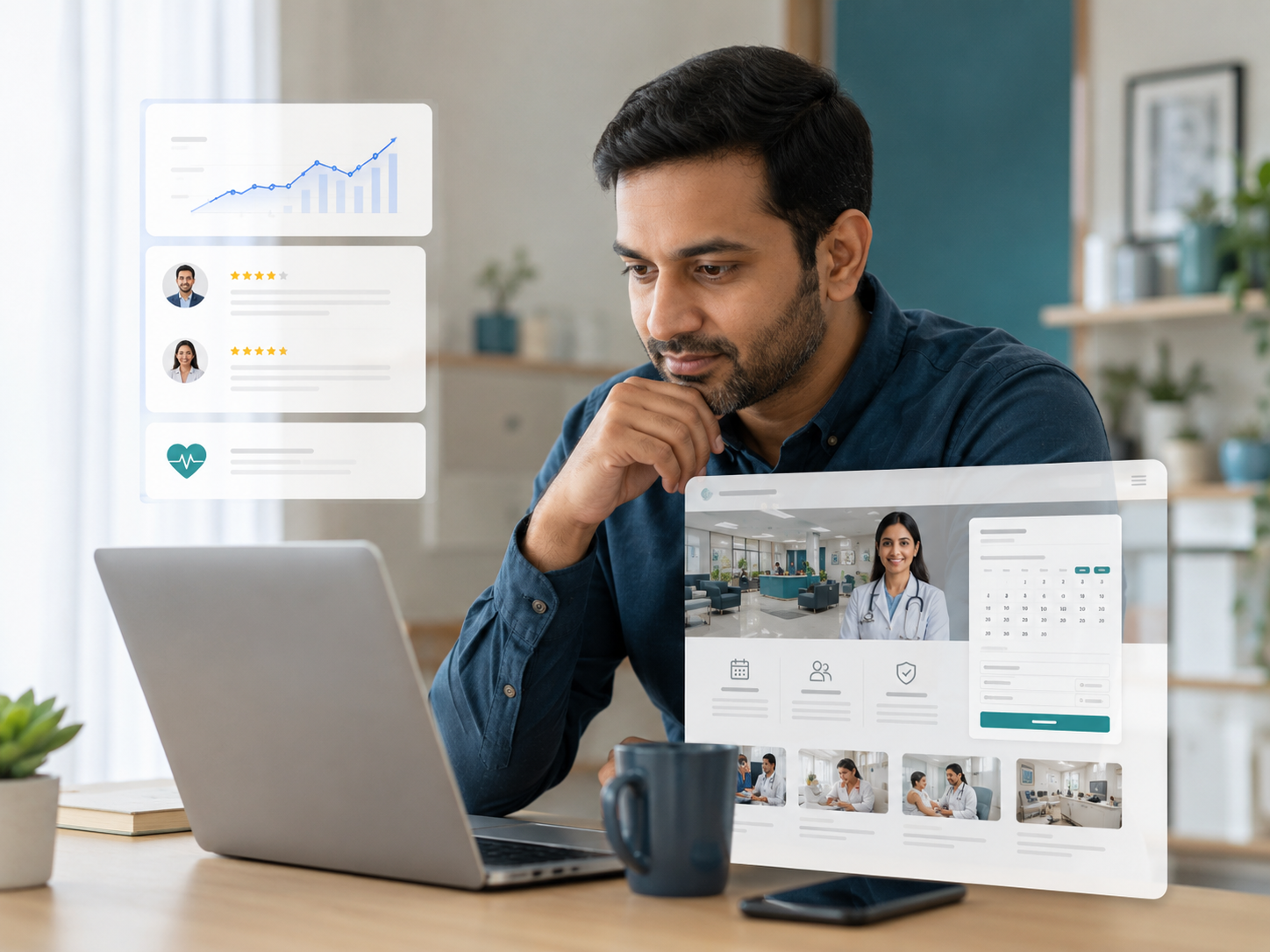
Connect Local Search to Device Information, Providers and Real Center Locations
Hearing aid center websites can become repetitive if every device variation, concern, brand phrase and city gets its own thin page. Strong architecture organizes genuine services around meaningful buyer intent.
- Hearing aid center and branded-center intent
- Meaningful device and service pages
- Provider and professional profiles
- Real center locations and service availability
- Appointment, call and referral pathways
Nearby Search Should Confirm the Real Center, Services and Appointment Access
Local intent is central because patients and families need to know where the center is, who works there, which services are available and how easy it is to book or call.
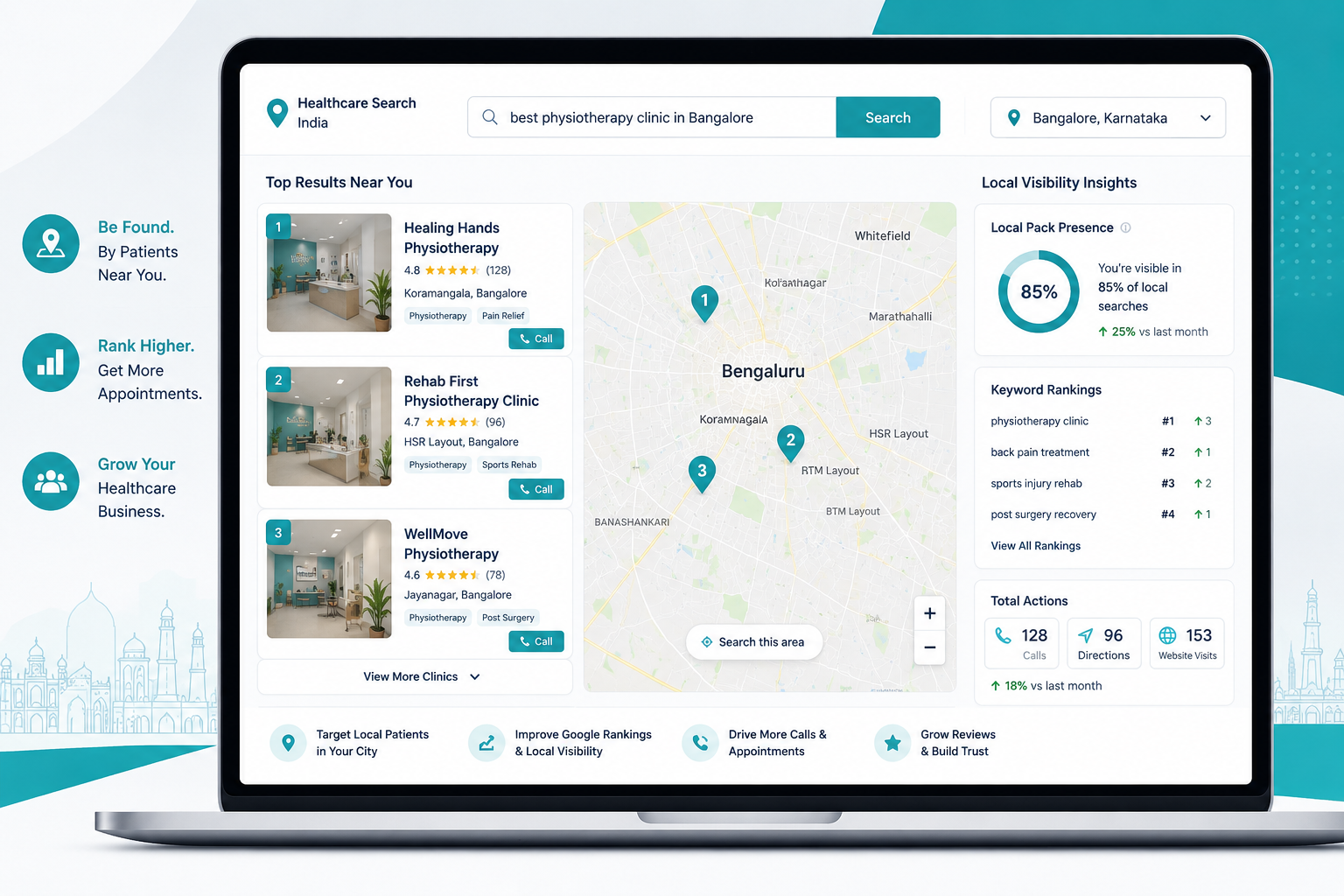
Keep Device and Center Intent Intact After the Local Search Click
A visitor searching for a hearing aid center should not land on a generic page and start over. The website should confirm the location, the real device-related service context and the next appointment step.
- Connect each local profile to the correct center page
- Link center pages to genuine device and service information
- Track calls, directions and appointments by location
The Researcher May Be a Family Member, Not the Patient
Hearing aid center decisions are often shared. Family members may compare centers, help research device information, confirm provider trust or arrange appointments after a recommendation from an audiologist, ENT or primary-care provider.
Prioritize Local Search, Device Research, Trust and Appointment Conversion
The strongest channel mix stays close to the actual hearing aid center decision: nearby search, device-related research, professional trust, family validation and clear appointment access.
Healthcare SEO
Build visibility for hearing aid center, genuine device-service and branded provider searches.
Healthcare SEO →Local SEO
Strengthen real hearing aid center locations, Maps visibility, calls, directions and local discovery.
Local SEO →Medical Website Design
Organize device research, providers, locations, support services and appointment actions into a clear buyer journey.
Medical Website Design →Reputation Management
Support genuine trust across local, branded and family-assisted hearing care research.
Reputation Management →Analytics + Tracking
Measure appointments, calls, Maps actions and device-intent demand by source and location.
Analytics & Tracking →Make the First Hearing Aid Center Conversation Easy to Start
The website should make it clear whether the next step is a consultation, fitting-related appointment, general service enquiry or phone call. General marketing forms should stay focused on contact and routing.
Make Center, Provider and Device-Service Fit Clear Before Asking for Contact
A strong hearing aid center page should help visitors understand the center, provider, genuine device-related services and practical appointment path before they complete an enquiry.
- Clear hearing aid center positioning
- Substantial genuine device and support pages
- Specific provider and professional information
- Accurate location-level service availability
- Visible appointment, call and referral paths
- Thin pages for every hearing aid feature or keyword
- Device claims without clear service context
- Unclear who provides the service at each location
- Family and referral paths hidden or incomplete
- Forms asking for sensitive health detail too early
Use Paid Search Around Clear Hearing Aid Center and Appointment Intent
Google Ads can support high-intent center and device-service searches when the location, service and landing page match. Avoid diagnostic claims, suitability promises and broad symptom targeting.
Measure Source, Device Intent, Location and Qualified Appointments
Hearing aid center reporting should connect organic, local, referral and selected paid demand to useful appointment actions while minimizing sensitive health information in analytics and advertising systems.
A Hearing Aid Center Marketing Process Built Around Local and Device Intent
Review hearing aid center, device-service, branded, local and referral-driven search behavior.
Connect genuine device information, provider services and real center locations to purposeful pages.
Strengthen Local SEO, provider trust, device-service content and appointment pathways.
Track source, device intent, location, calls, Maps actions and useful enquiries.
Explore Related Healthcare Marketing Categories
Strengthen Hearing Aid Center Discovery, Trust and Appointment Conversion
Hearing Aid Center Marketing FAQs
Find the Gaps Between Local Device Search and Qualified Appointments
Tell us about your hearing aid center and we can review Local SEO, device-service visibility, provider trust, family and referral pathways, conversion and tracking.