
Orthopedic Marketing That Connects Musculoskeletal Search With the Right Consultation Path
Build visibility for orthopedic clinics, sports medicine and spine care, then help patients verify specialist fit, service relevance, location and referral context before they request an appointment.
Orthopedic Marketing Has to Organize a Complex Search Market
Orthopedic and musculoskeletal providers can serve very different patient journeys. General orthopedic clinics, sports medicine practices and spine centers may all compete in related searches, but the patient needs a clear way to understand which provider or service is the right next step.
- Separate general orthopedic discovery from sports and spine intent
- Connect real services to the specialists and locations that provide them
- Support local discovery and referral-driven demand
- Use treatment and procedure content without giving medical advice
- Make consultation and appointment access clear across the journey
Orthopedic content should help people understand the clinic, providers and real services. Clinical assessment, diagnosis and treatment decisions belong with the appropriate healthcare professional.
Build the Strategy Around the Actual Musculoskeletal Care Model
Different orthopedic business types attract different searches and need different trust signals. The pillar should connect them without turning each page into a copy of the same template.
Local orthopedic discovery, multi-provider services, physician trust, appointment access and clinic-level lead generation.
Explore Orthopedic Clinics → Sports Medicine MarketingInjury-related search, active patient journeys, provider trust, performance-focused service discovery and consultation conversion.
Explore Sports Medicine → Spine Center MarketingHigher-consideration spine search, specialist evaluation, procedure research, referrals and consultation readiness.
Explore Spine Centers →From Musculoskeletal Search to the Right Specialist or Clinic
The best orthopedic marketing system helps patients understand the next appropriate care path without forcing them to self-select from dozens of nearly identical service pages.
The journey may begin with a body-area search, injury, known diagnosis, provider referral or orthopedic service query.
Patients compare clinic type, specialist profiles, service relevance and location.
Real physician information, reviews, referral context and practical access help confirm the shortlist.
The patient moves into the relevant appointment, call or consultation pathway.
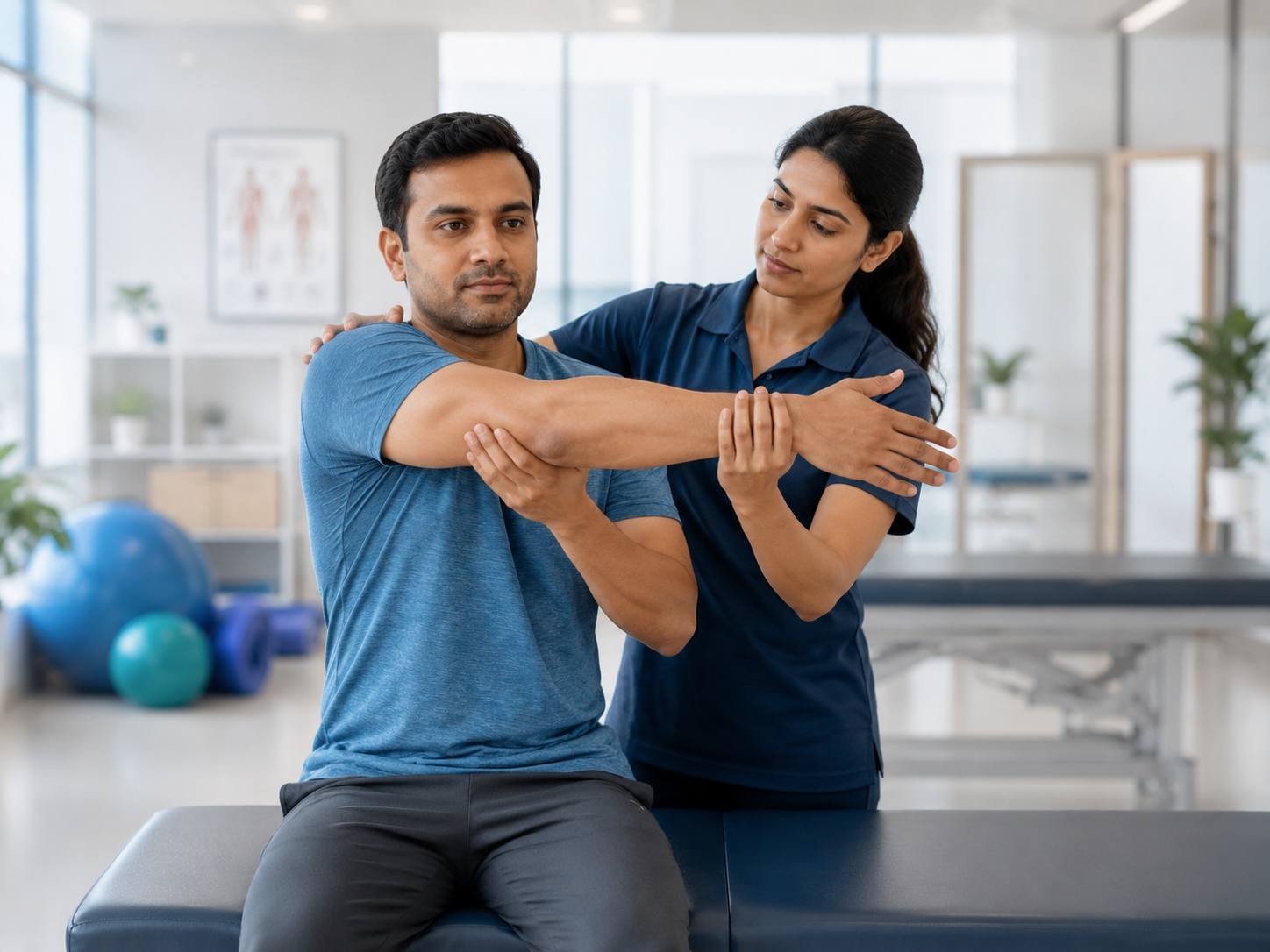
Use Visual Context to Support Movement and Recovery-Oriented Search Journeys
Orthopedic search often overlaps with rehabilitation, mobility and return-to-activity concerns. Relevant HealthDigital imagery can support that context while the page keeps the actual marketing argument focused on providers, services and consultations.
- Use relevant musculoskeletal or rehabilitation imagery where it fits
- Keep visual proof separate from clinical claims
- Let provider and service information remain the main trust evidence
Build Around Clinic, Specialist, Service, Location and Referral Intent
Orthopedic websites can become bloated when every body part, diagnosis, treatment and nearby city receives a separate page. Strong architecture keeps each URL tied to a real service, provider or patient decision.
- Orthopedic clinic and specialist intent
- Physician-name and branded searches
- Meaningful service, treatment or procedure pages
- Real clinic and specialist locations
- Referral and consultation information
Nearby Search Matters, but Specialist Fit Can Expand the Search Radius
Orthopedic clinics need strong Maps and local organic visibility, while sports medicine and spine services may attract patients from a wider area when specialist fit or procedure research matters more than simple proximity.
Prioritize Search, Local Discovery, Website Conversion and Lead Quality
Orthopedic providers generally benefit most from strong SEO foundations, credible physician and service content, Local SEO, selective paid search and accurate consultation tracking.
Healthcare SEO
Build visibility for orthopedic, sports medicine, spine, physician and genuine service intent without thin doorway-style pages.
Healthcare SEO →Local SEO
Strengthen Maps and real location discovery for clinics and specialists while supporting regional service demand.
Local SEO for Doctors →Medical Website
Organize providers, musculoskeletal services, locations, referrals and consultation actions with less friction.
Medical Website Design →Google Ads
Use paid search selectively for high-intent orthopedic, sports medicine, spine and appointment-related demand.
Google Ads for Clinics →Analytics + Tracking
Measure source, service or provider interest, calls, forms and qualified consultation actions.
Analytics & Tracking →
Patients Need Confidence in the Provider Before They Commit to the Appointment
Orthopedic decisions may involve a referral, ongoing discomfort, an injury or a higher-consideration service. A professional page experience should reinforce provider credibility and make the consultation pathway easier to understand.
Help Patients Choose a Path Without Making Them Decode the Entire Specialty
A strong orthopedic website should help patients understand whether they need the clinic, a sports medicine specialist, a spine center or another real service path without requiring them to self-diagnose.
- Clear clinic and specialty pathways
- Detailed physician profiles
- Meaningful service and procedure pages
- Real referral and location information
- Relevant consultation CTA on high-intent pages
- Every musculoskeletal topic mixed into one page
- Generic physician bios
- Thin body-part or condition pages built only for keywords
- Unclear referral or appointment process
- One generic form for every orthopedic journey
Search Often Reinforces the Orthopedic Referral
A patient may hear about an orthopedic specialist from a primary-care provider, physiotherapist, coach, another specialist, friend or family member and then use search to verify the doctor and clinic before booking.
Paid Search Should Focus on Provider, Service and Consultation Intent
Orthopedic search contains broad educational traffic as well as high-intent provider and service queries. Campaigns should prioritize terms that reasonably indicate someone is looking for a clinic, specialist or consultation.
Measure Which Orthopedic Journeys Produce Relevant Appointments
Useful orthopedic reporting should connect source, service or provider interest, the contact action and whether the enquiry fit the clinic or specialist pathway.
An Orthopedic Marketing Process Built Around Real Search Journeys
Review orthopedic, sports medicine, spine, physician, local and referral-related search behavior.
Connect real specialists, services and locations to purposeful pages.
Strengthen provider profiles, service content, Local SEO, referrals and consultation paths.
Track source, intent and qualified appointment outcomes rather than raw lead volume.
Explore Orthopedic and Musculoskeletal Marketing Paths
Strengthen Orthopedic Search, Trust and Appointment Conversion
Orthopedic Marketing FAQs
Find the Gaps Between Musculoskeletal Search and Qualified Appointments
Tell us about your orthopedic clinic, sports medicine practice or spine center and we can review search visibility, physician trust, Local SEO, referrals and consultation tracking.