Trauma Center Marketing Built Around Capabilities, Local Discovery and Trust
Help patients, families and referral partners find the correct trauma center, verify location and factual capabilities, and reach the most useful call or directions path without adding friction.
Make the Center’s Real Capabilities Easy to Understand Without Overclaiming
Trauma centers are not chosen like standard outpatient clinics. Marketing should help visitors and referral sources understand the center, real capabilities, location, operational information and professional context without using fear-based messaging.
- Strengthen local and branded trauma-center visibility
- Explain factual capabilities and real service scope
- Keep location, phone and operating information current
- Support professional referral validation
- Track calls, directions and qualified center-level actions
Marketing pages can explain factual capabilities and operational access. They should not determine whether a condition requires trauma care, provide clinical advice or promise outcomes.
From Local or Referral Discovery to the Correct Center Action
The website should help people verify the center quickly while also supporting professionals who need reliable organization and capability information.
The journey may begin with local search, a provider name, a hospital referral or a professional recommendation.
The visitor checks address, phone, directions, operating information and the identity of the trauma center.
Factual service information, organizational context and genuine reputation help confirm the choice.
The site makes the correct operational next step easy without forcing a generic lead form.
Explain What the Trauma Center Actually Provides in Factual Terms
Capability pages can support search and referral validation when they reflect real services, teams and operational resources the organization is prepared to publish.
Explain the center’s genuine trauma-related services, care setting and organizational information in clear factual language.
Where appropriate, connect real specialist teams, departments or support services to the center without implying treatment outcomes.
Avoid content that tells visitors which trauma capability they need based on symptoms or self-assessment.
Accurate Center Information Is More Valuable Than Marketing Claims
When people search for a trauma center, trust comes from specific and current information about the organization, location, professionals, capabilities and operational contact path.
- Use real center and provider information
- Keep phone, address and operational details current
- Use genuine reviews and factual trust signals only

Connect Local Search to Real Capabilities, Providers and Center Information
Trauma-center websites should stay structured around real center information, genuine capabilities and operational actions instead of building thin pages around every injury or urgent symptom.
- Trauma center and branded intent
- Real center location pages
- Meaningful capability pages
- Provider and department information
- Call, directions and referral pathways
Maps Visibility Should Lead to Accurate Center and Capability Information
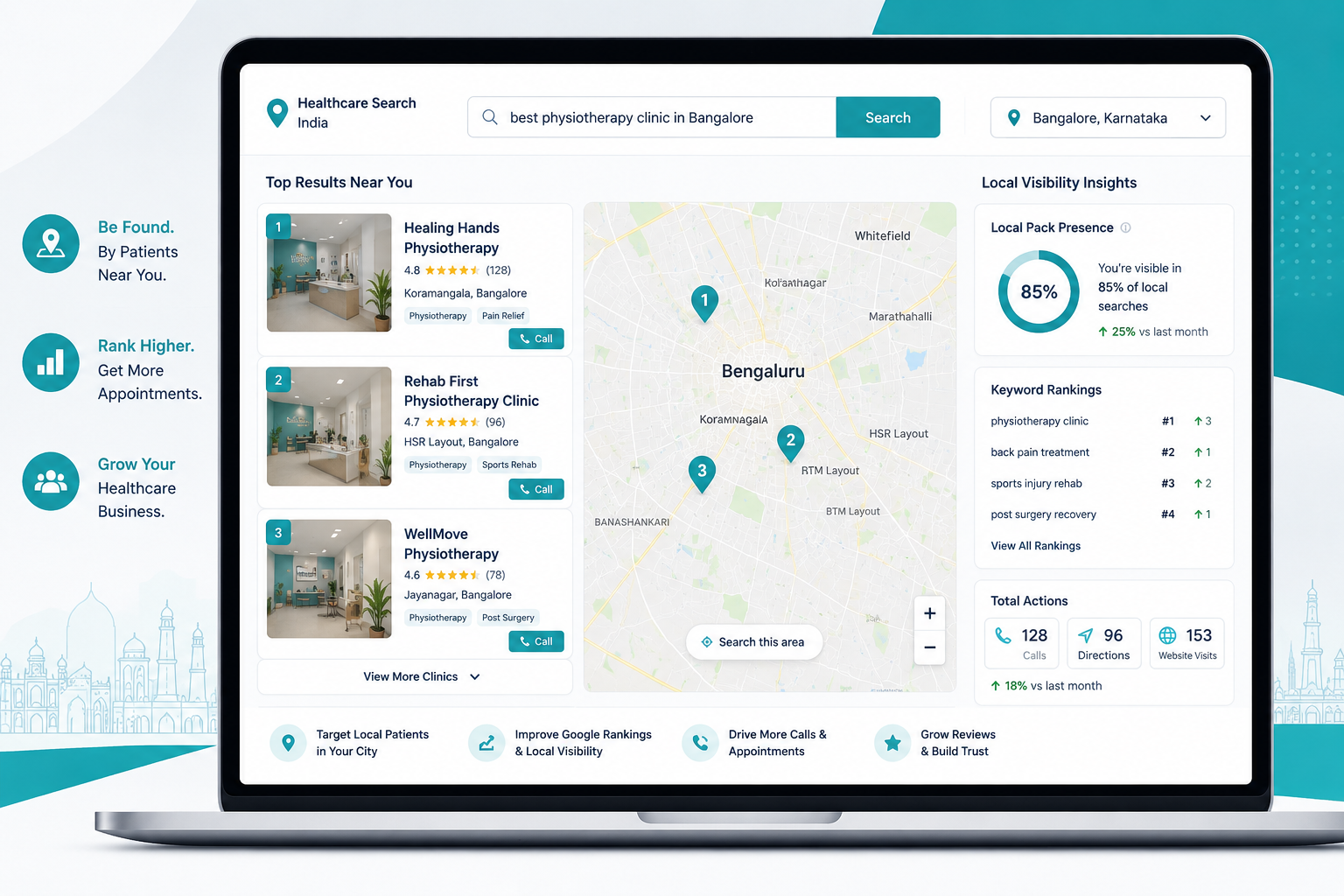
Local search can be critical for trauma-center discovery. The Google Business Profile and website should agree on the real center name, address, phone, operating information and organization.
Keep High-Intent Local Visitors on the Same Decision Path
A person arriving from Maps should immediately recognize the trauma center they selected and see the same location, organization and contact information.
- Connect local profiles to the correct real center page
- Keep phone, directions and capability context easy to find
- Track calls and directions at the center level
Trauma Center Search Often Reinforces Professional Referral Information
Physicians, hospitals, EMS relationships and other professional sources may already influence awareness of a trauma center. Search then becomes a way to verify the organization, capability information and contact details.
Prioritize Local Visibility, Capability Content, Trust and Operational Conversion
The most relevant channels are the ones closest to actual trauma-center discovery and validation: Local SEO, healthcare SEO, website clarity, reputation and measurement.
Local SEO
Strengthen Maps visibility, real center pages, calls, directions and location consistency.
Local SEO →Healthcare SEO
Build visibility for trauma-center, capability, branded and referral-validation searches.
Healthcare SEO →Medical Website Design
Organize center information, capabilities, providers and operational contact paths into a fast mobile experience.
Medical Website Design →Reputation Management
Support genuine trust across local, branded and referral-driven trauma-center research.
Reputation Management →Analytics + Tracking
Measure calls, directions, branded search and qualified center-level actions.
Analytics & Tracking →Make the Operational Next Step Obvious on Mobile
Trauma-center pages should not force high-intent visitors through a long generic form. Calls and directions deserve prominent placement, while general forms are better suited to appropriate non-urgent business or marketing enquiries.
Make the Center, Capabilities and Location Easy to Verify Before Contact
A strong trauma-center page should reduce uncertainty quickly by making the organization, location, real capabilities and contact options easy to understand.
- Clear center identity and organization
- Factual capability pages
- Real provider and department information
- Accurate location and operating information
- Visible call, directions and referral paths
- Generic emergency messaging with little center context
- Thin pages for every injury or symptom
- Unclear differences between real capabilities
- Outdated phone or location information
- Long generic forms blocking operational actions
Use Paid Search Only Where Trauma Center Intent Is Clear
Paid search may support branded or clearly defined trauma-center discovery in appropriate markets when the location and landing page match. Avoid fear-based language, injury diagnosis and broad symptom targeting.
Measure Source, Center, Capability Intent and Useful Actions
Trauma-center reporting should connect organic, Maps, branded, referral and selected paid discovery to useful actions while minimizing sensitive clinical information in marketing systems.
A Trauma Center Marketing Process Built Around Local Accuracy and Trust
Review Maps, center, branded, capability and referral-validation search behavior.
Connect genuine capability content, provider information and real location pages.
Strengthen Maps consistency, website clarity, calls, directions and referral validation.
Track calls, directions and useful center-level actions by source, location and intent.
Explore Related Healthcare Marketing Categories
Strengthen Trauma Center Discovery, Trust and Operational Conversion
Trauma Center Marketing FAQs
Find the Gaps Between Trauma Search, Trust and Qualified Local Actions
Tell us about your trauma center and we can review Local SEO, capability visibility, center trust, branded and referral search, call and directions conversion, and tracking.